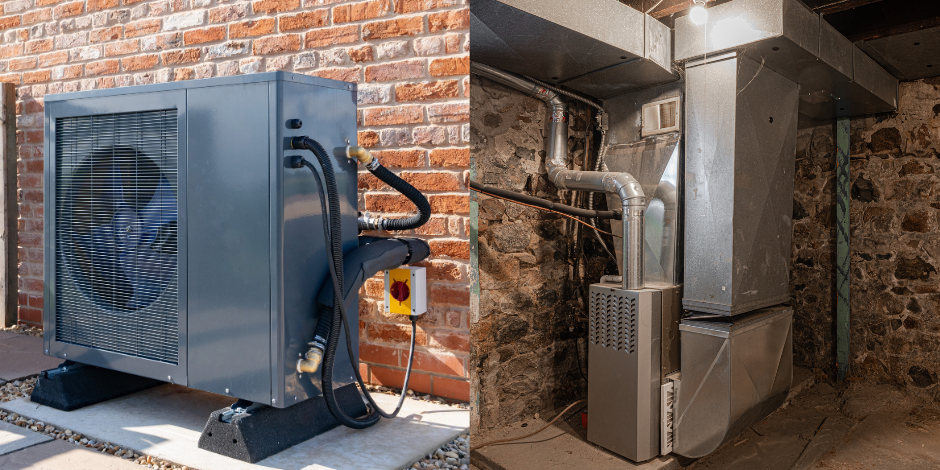
Winter in Rhode Island isn’t for the faint of heart. When temperatures dip into the teens (and the wind chill pushes it down to the single digits or below), your home needs a heating system that can keep you warm without driving your energy bills sky-high. If you’re deciding between a mini split vs. a furnace, it’s important to understand how each system works and which one is the best heating system for New England winters.
At CARJON, we’ve been installing, repairing, and servicing heating systems since 1989. We know what performs well in Rhode Island’s cold climate, and we’re here to help you compare your options before making an investment.
Mini Split Heat Pumps: Energy-Efficient Heating for Rhode Island Homes
Mini split heat pumps, or ductless heat pumps, provide both heating and cooling using electricity. Rather than generating heat by burning fuel, they transfer heat, which makes them exceptionally energy-efficient.
Today’s energy-efficient mini splits are designed for cold climates. CARJON installs Mitsubishi Electric systems that continue producing reliable heat even when outdoor temperatures drop to -13°F, making them some of the best mini split heat pumps for home heating in Rhode Island.
Pros of Mini Splits
Exceptional efficiency – ENERGY STAR reports that certified mini splits use up to 60% less energy than electric resistance heat. And with ductless heat pumps, there is no energy lost to leaky ducts.
Year-round comfort – One system provides both heating and cooling.
Zoned temperature control – Each indoor air handler offers individualized temperature settings.
Eligible for incentives – Heat pump incentives are typically much larger than furnace rebates in Rhode Island.
Cons of Mini Splits
Higher upfront cost – The cost of a mini split vs. a furnace can be higher without incentives, though rebates often offset this.
Electrical needs – Some homes may require an electrical service upgrade.
Traditional Furnaces: A Familiar, Reliable Heating Option
Furnaces use natural gas, oil, or propane to generate heat and deliver it through ductwork or radiators. They’ve been the standard for decades and remain a common choice in Rhode Island homes.
Pros of Furnaces
Powerful, consistent heat – Furnaces are known for strong, fast heating.
Readily available service – Most HVAC technicians can work on them.
Cons of Furnaces
Lower efficiency than heat pumps – Even high-efficiency models still burn fuel, and duct losses reduce efficiency further.
Heat only – You’ll still need a standalone AC for summer cooling.
Safety considerations – Combustion creates carbon monoxide, requiring proper venting and annual maintenance.
Cost - Fewer incentives and rebates are available for furnaces that do not meet certain efficiency standards.
Mini Split vs. Furnace: Which Is the Best Heating System for New England Winters?
It depends on your priorities:
Want the lowest possible heating cost, year-round comfort, and long-term savings?
Choose a mini split heat pump.Prefer a lower upfront cost and already have fuel-based heating infrastructure?
A traditional furnace may be the right fit.
CARJON Helps You Choose the Right Heating System
Since 1989, CARJON has helped Rhode Island homeowners stay warm through the toughest winters. Whether you’re comparing the cost of a mini split vs. a furnace, looking for the best mini split heat pumps for home, or deciding which system is right for your family, we’re here to help.
Don’t forget to protect your investment with a CARJON Maintenance Agreement, featuring annual tune-ups, repair discounts, priority scheduling, and more.