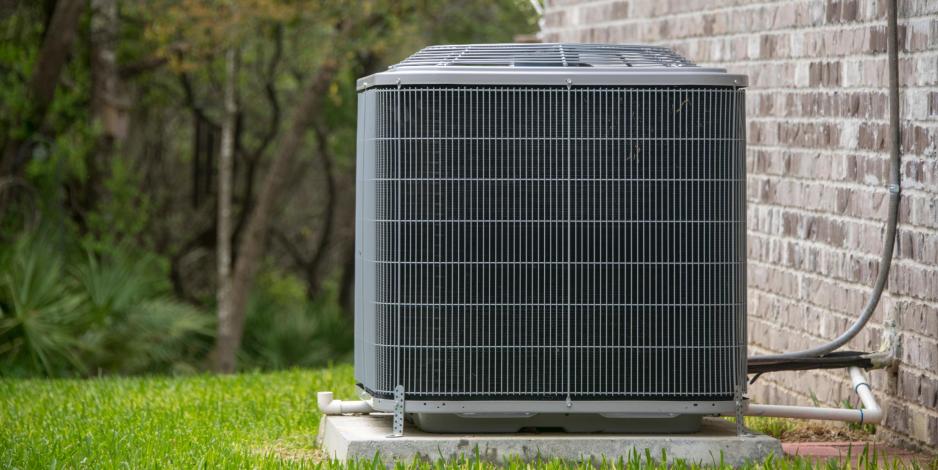
Heat pumps have grown immensely popular among homeowners throughout Providence and across Rhode Island thanks to their all-electric, energy-efficient heating and cooling capabilities. However, when upgrading your HVAC system, equipment quality is only half the equation; proper sizing and professional installation are just as critical.
If a heat pump is too big or too small for your home, it won't operate at peak efficiency. That means missing out on key benefits like lower energy bills, consistent indoor temperatures, and year-round comfort. At CARJON Air Conditioning and Heating, we’ve been serving Rhode Island homeowners since 1989. Here is what you need to know about heat pump sizing and why getting it right matters.
How Heat Pumps Work (and Save Energy)
Unlike traditional heating systems that burn fuel to create heat, heat pumps transfer heat from one place to another. In the summer, they pull heat out of your home to keep it cool; in the winter, they extract ambient heat from the outside air to warm your living space.
This transfer process makes heat pumps exceptionally energy-efficient. According to the Department of Energy, heat pumps can reduce electricity use for heating by up to 50% compared to electric resistance heating like furnaces and baseboard heaters.
Ducted vs. Ductless Heat Pumps
Depending on your home's layout and existing infrastructure, you can choose between two main configurations:
Ducted Heat Pumps: Connect directly to your home's existing ductwork to provide central heating and cooling.
Mini Split Heat Pumps: Individual indoor air handlers are mounted in specific rooms or zones without ductwork. Each handler can be controlled independently, offering customized temperature settings for maximum family comfort.
Why Heat Pump Sizing Matters
When HVAC professionals discuss heat pump sizing, they aren't talking about physical dimensions, but rather heating and cooling output capacity measured against your home's heating and cooling load.
If Your Heat Pump Is Too Big
An oversized heat pump produces far more heating or cooling capacity than your home requires. This causes the unit to satisfy the thermostat quickly and shut off shortly after starting, a cycle known as short-cycling which:
Increases wear and tear on electrical and mechanical components, leading to premature breakdowns.
Prevents proper dehumidification, leaving your home feeling clammy during humid Rhode Island summers.
Wastes energy through frequent start-stop cycles, driving up monthly electricity bills.
If Your Heat Pump Is Too Small
An undersized unit presents the opposite problem. It lacks the power needed to meet your home's heating and cooling demands during peak weather extremes.
An undersized system leads to:
Inconsistent, uncomfortable indoor temperatures throughout the house.
Continuous running ("working overtime") as it struggles to reach unattainable set temperatures.
Excessive energy waste and shortened equipment lifespan from relentless operation.
Getting Heat Pump Sizing Just Right: Manual J Load Calculations
Figuring out the exact heat pump capacity your home requires involves complex engineering calculations. Rather than relying on guesswork or generic square-footage rules of thumb, trusted HVAC contractors perform a comprehensive Manual J Load Calculation.
Key factors evaluated during a load calculation include:
Home Size & Layout: Total square footage, ceiling height, room distribution, and existing ductwork.
Local Climate: Rhode Island experiences distinct four-season weather. Calculations account for local heating and cooling degree days, ensuring cold-climate heat pumps perform reliably even during freezing winter drops.
Thermal Envelope & Insulation: The effectiveness and amount of wall, attic, and basement insulation, as well as air infiltration/leakage levels.
Windows: The number, size, orientation, and energy efficiency ratings of your windows, which are major sources of heat gain and loss.
Occupancy & Temperature Preferences: The number of residents living in the home, their body heat contribution, and target temperature settings.
Heat-Generating Appliances: Internal heat sources such as stoves, clothes dryers, lighting, and electronics.
Maximize Your Investment with Rebates & Maintenance
Proper sizing ensures your heat pump operates efficiently for its average 15-year lifespan. You can also take advantage of valuable financial incentives on your upgrade, including:
Rhode Island Energy Rebates: Save with local Rhode Island Energy rebates for heat pump installation.
Routine Maintenance: Keep your new system running at peak performance with regular tune-ups. CARJON offers three flexible residential maintenance agreements designed to fit any budget.
Schedule Your Heat Pump Sizing Consultation with CARJON
Avoid costly sizing mistakes by working with local experts who do it right the first time. Whether you need a ducted system, wall-mounted mini-splits, or advice on ductwork sizing, CARJON Air Conditioning and Heating is here to help.